
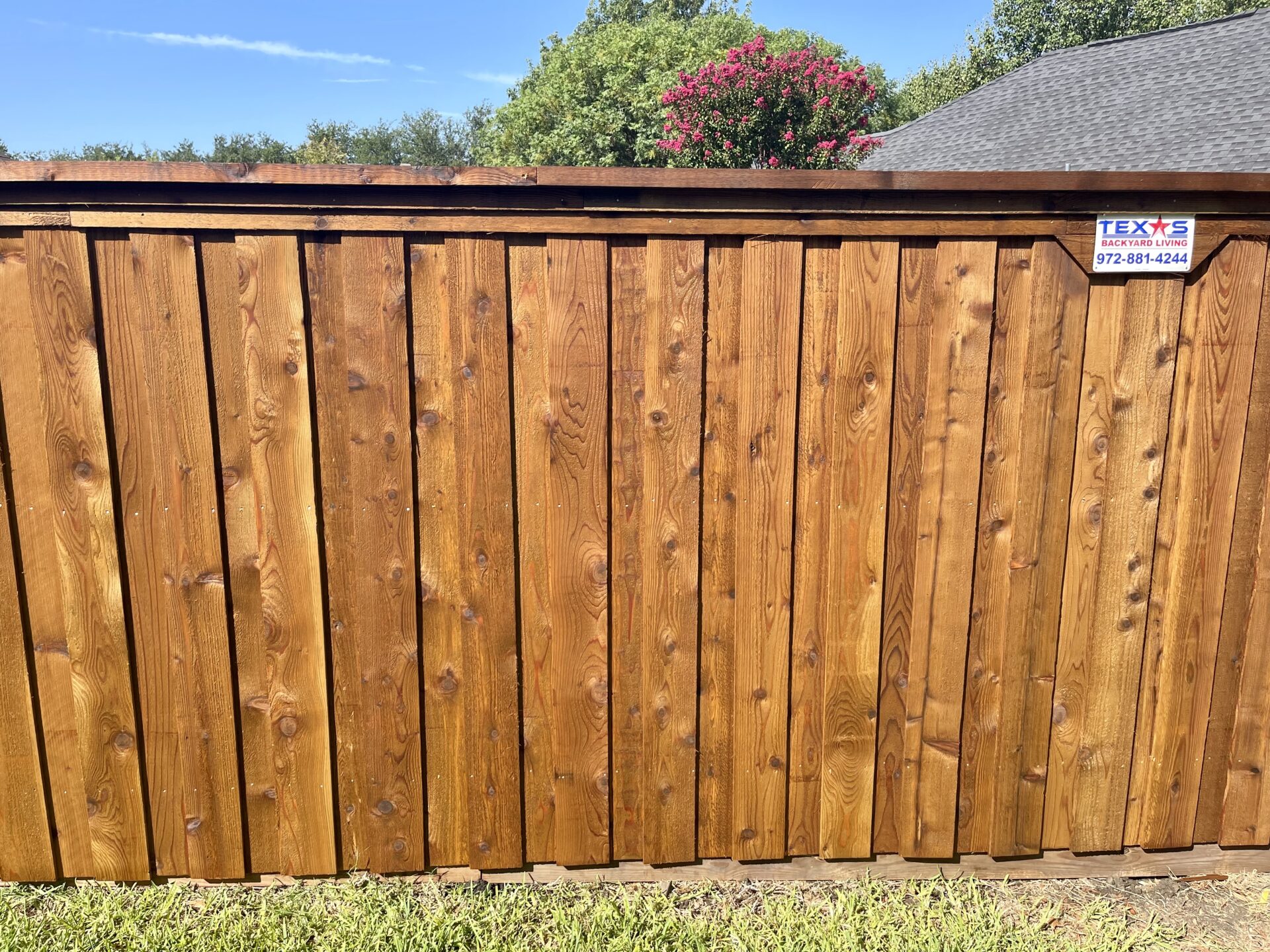
Your fence does more than mark property lines—it provides privacy, security, and curb appeal. But like any outdoor structure exposed to the elements, fences don’t last forever. Knowing when it’s time for a replacement (rather than another quick repair) can save you money, time, and frustration.
Here are the key signs you shouldn’t ignore when evaluating your fence.
Visible Rot or Wood Damage
If you have a wooden fence, rot is one of the most common issues. Moisture, humidity, and pests can break down wood over time, leading to soft spots, crumbling boards, or discoloration.
While a single damaged board can be replaced, widespread rot often means the structural integrity of your fence is compromised. If multiple sections feel weak or spongy, it’s time to consider a full replacement.
Leaning or Sagging Sections
A fence should stand straight and sturdy. If you notice sections leaning, sagging, or pulling away from posts, it could indicate deeper issues such as:
- Failing posts
- Shifting soil
- Improper installation
Temporary fixes might help for a short time, but persistent leaning is usually a sign the foundation of your fence is failing.
Frequent Repairs Are Adding Up
Are you constantly replacing boards, tightening hardware, or repainting? Those small fixes can quickly turn into a recurring expense.
If you find yourself repairing your fence every season, it may be more cost-effective to invest in a new one. A replacement offers long-term reliability and often comes with warranties for peace of mind.
Missing Boards or Large Gaps
Gaps in your fence reduce privacy and security. Whether caused by weather, age, or damage, missing boards can also make your property more vulnerable to unwanted visitors—both human and animal.
If the gaps are widespread or keep reappearing after repairs, replacement is often the smarter option.
Fading, Peeling, or Outdated Appearance
Sometimes the issue isn’t structural—it’s visual. A faded, peeling, or outdated fence can drag down the look of your entire property.
If your fence no longer matches your home’s style or requires constant repainting or staining, upgrading to a newer material or design can dramatically improve your curb appeal.
Storm or Weather Damage
Texas weather can be unpredictable, with strong winds, heavy rain, and intense sun taking a toll on outdoor structures. After a major storm, inspect your fence carefully.
If you see broken panels, uprooted posts, or widespread damage, repairs may not be enough to restore full strength and stability.
Age of the Fence
Even well-maintained fences have a lifespan. Depending on the material:
- Wood fences typically last 10–15 years
- Chain-link fences can last 15–20 years
- Vinyl and metal fences may last longer with proper care
If your fence is nearing or past its expected lifespan, replacing it can prevent sudden failures and costly emergency repairs.
Make the Right Call for Your Property
Deciding whether to repair or replace your fence comes down to cost, safety, and long-term value. A new fence not only enhances the appearance of your home but also provides stronger security and less ongoing maintenance.
If you’re unsure, a professional inspection can help you determine the best course of action based on your fence’s condition and your goals.
Ready for an Upgrade?
If you’ve noticed any of these warning signs, don’t wait until the problem gets worse. A new fence can transform your outdoor space and give you peace of mind for years to come.
Contact us today to schedule your free estimate and explore the best fencing options from Texas Backyard Living.