
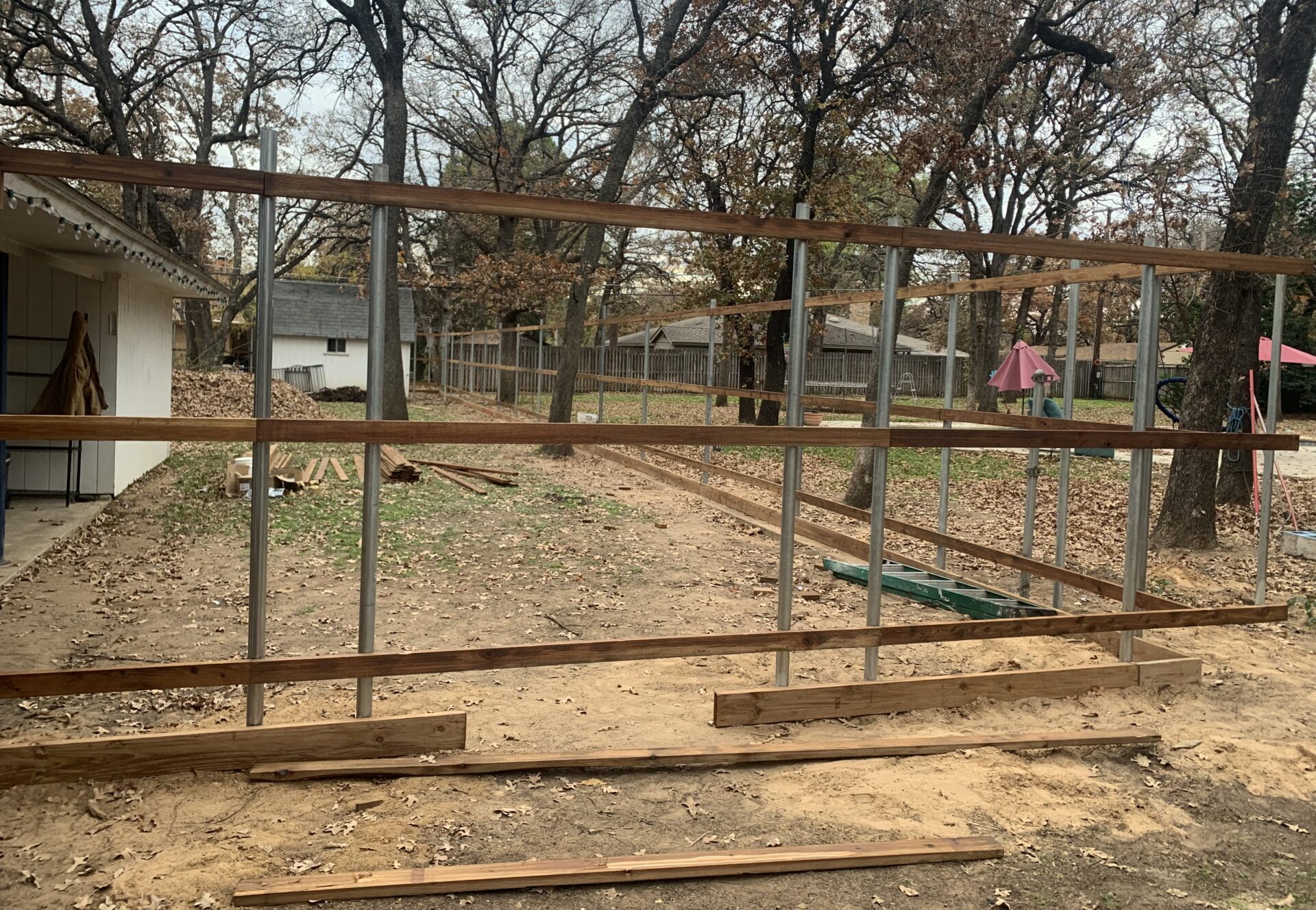
Installing a new fence is one of the best ways to improve privacy, security, and curb appeal — but a successful project starts long before the first post goes into the ground. Understanding the process, preparing your property, and knowing what to expect can save time, prevent delays, and help your fence last for years to come.
Here’s what every homeowner should know before having a fence installed.
1. Check Property Lines and HOA Requirements
Before scheduling installation, make sure you know exactly where your property lines are located. Installing a fence even a few inches onto a neighbor’s property can create costly disputes later.
If you live in a neighborhood with an HOA, review the guidelines ahead of time. Many associations have rules about:
- Fence height
- Materials and color
- Placement and style
Getting approval early helps avoid project delays or required changes after installation.
2. Understand City Permits and Regulations
Many cities require permits for new fences, especially for certain heights or materials. It’s important to confirm:
- Maximum allowed height
- Setback requirements
- Visibility rules near streets or alleys
Clarifying these details upfront helps prevent unexpected issues during inspections. If a permit is required, it is important to have your property survey to start the permit process.
3. Construction Is Messy — and That’s Normal
Fence installation is a construction project, which means things may look a little rough before they look finished. Crews will be digging holes, moving soil, carrying lumber, and using tools throughout your yard.
During installation, you may notice:
- Dirt piles or muddy areas
- Grass or landscaping being disturbed
- Old fence debris or materials temporarily staged in the yard
This is all part of the process. If you have delicate landscaping, décor, or gravel areas near the fence line, moving or protecting them beforehand can help prevent damage.
4. Prepare Your Yard Before Installation Day
A little preparation makes installation smoother and faster. Before the crew arrives, consider:
- Moving vehicles, outdoor furniture, and decorations away from the fence line
- Marking irrigation lines or landscaping features
- Trimming back bushes or overgrown grass
Clear access allows installers to work efficiently and helps avoid accidental damage.
5. Think About Your Sprinkler System
Sprinklers play a bigger role in fence longevity than many homeowners realize. Sprinkler heads that spray directly on a new fence can cause premature fading, rot, or mineral staining.
Before installation:
- Identify sprinkler heads near the fence line.
- Plan to adjust them so they don’t hit the wood.
- Consider drip irrigation instead of spray heads along the fence.
This small step can significantly extend the life of your fence.
6. Expect Natural Wood Movement
If you’re installing a wood fence, it’s important to understand that wood is a natural material. Boards may shrink slightly as they dry, and minor variations in color or grain are normal.
Over time, weather and soil conditions can also cause slight movement in posts or gates. This doesn’t mean the installation was done incorrectly, it’s simply how wood behaves outdoors.
7. Plan for Gates and Traffic Flow
Think about how you’ll use your yard daily. Consider:
- Where gates should be placed for convenience
- Whether you need a double gate for equipment access
- Clearance for trash bins, pets, or landscaping tools
Proper gate placement makes a big difference in how functional your fence feels long term.
8. Know the Maintenance Requirements
A new fence is an investment, and proper care helps it last longer. For wood fences especially:
- Staining or sealing protects against sun and moisture.
- Regular inspections help catch small issues early.
- Keeping soil and sprinklers balanced around posts prevents shifting.
Many homeowners wait too long to protect their fence, which can shorten its lifespan.
9. Communicate with Your Neighbors
While it’s not always required, giving neighbors a heads-up about installation dates and fence placement can help maintain good relationships. It also gives them an opportunity to raise questions before construction begins.
Final Thoughts
Having a fence installed is an exciting upgrade, but preparation is key to a smooth experience. From checking permits and property lines to understanding that construction can be messy during the process, knowing what to expect helps reduce stress and surprises.
A well-planned fence installation doesn’t just look great on day one. It sets the foundation for years of durability, function, and curb appeal.
